
captive insurance

runnymede captive review

Captive Review Q&A: Runnymede Capital, Best Customer Service in Investment Management

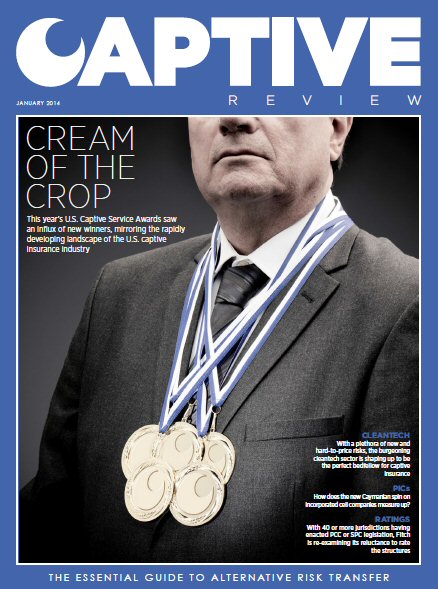
Captive Review's Stephanie Tassone recently sat down with Andrew Wang, Senior Vice President at Runnymede. For two consecutive years, Runnymede Capital Management has been named the winner of Customer Service in Investment Management at the U.S. Captive Service Awards.

Judges’ comments: Taking out this award for the second year running, Runnymede is focused and committed to provide investment management services to its captives. The firm has established a reputation as providing knowledgeable and responsive customer service.

Read More

Do Higher Yields Mean Higher Risks For Captive Insurance Investment Portfolios?

Captive Investing Today

Since the financial crisis began in 2007, the Federal Reserve has taken extraordinary actions including reducing the level of short-term interest rates to near zero and pushing long rates to historic lows. This has impacted captive insurance portfolios that strive to safely generate enough investment income to cover operating costs, maintain statutory reserves, and pay claims when needed. With new Fed chief Janet Yellen taking charge soon, most participants believe the key themes for 2014 will be timing of the Fed taper and how financial markets will react.

Read More

Equity Management More Important Than Ever Before

In the years 2010-2012, investors around the world poured nearly $700 billion into bond funds, while taking nearly $300 billion out of stock funds. That was then, this is now. Today, more investors view the bond market as abnormally risky and are concerned that recent bond losses could deepen if interest rates continue to rise. ZIRP (zero interest rate policy) has come at the expense of savers and conservative investors, among them are retirees and captive insurance companies. Without an ability to find a risk-free return, much less a low-risk return, many investors have moved and continue to move into riskier assets in order to generate some returns.

Read More

Runnymede Capital Management Named “Best Customer Service in Investment Management” at 2013 Captive Services Awards

Morristown, New Jersey, December 3, 2013 – Runnymede Capital Management has been named “Best Customer Service in Investment Management” for the second consecutive year at the US Captive Services Awards. The program is presented by Captive Review with the goal of recognizing service providers who have excelled over the past 12 months. Notably, Runnymede is only one of three firms that received the same award as last year, reflecting the changing landscape of the U.S. captive insurance industry.

Read More

Asset Protection 101: Diversification strategy gone wrong

The consensus among most financial professionals is that asset allocation is one of the most important decisions that investors make. However many people mistake asset allocation for diversification. This is the definition from the SEC:

The Magic of Diversification. The practice of spreading money among different investments to reduce risk is known as diversification. By picking the right group of investments, you may be able to limit your losses and reduce the fluctuations of investment returns without sacrificing too much potential gain.

Read More

Cost of Not Investing Your Captive Assets

In seven years of offering investment management services to captive insurance companies, we are acutely aware how conservative many captive owners are when it comes to investment objectives and goals.  A cookie cutter “one size fits all” approach does not work when it comes to constructing investment portfolios.  The makeup of a captive insurance company’s portfolio should take into account the type of risk insured, projected loss patterns, and cash needs.  In some cases, captive owners are so risk averse that they choose not to invest and are content to sleep well at night by owning money market funds and cash.  Among captive managers, accountants, and actuaries, quite a few people have asked me, “What is the cost of NOT investing?”

Read More